Our Projects
Impact So Far
Delivered on the ground
The practical, early-stage track record behind the larger infrastructure projects below. Every programme here has already been delivered in haor communities.
- Emergency relief distribution among flood-affected people of the haor
- Tree plantation programme across affected communities
- Sewing machine distribution to equip women with an independent trade
- Deep tube well installation for safe drinking water
- Study materials distribution to keep students equipped
- Volunteer's Skill Development Workshop in Austagram
- Legal Aid Orientation for community members
- Human chain against violence on women and children
- Special Qurbani initiative on the occasion of Eid Ul Azha
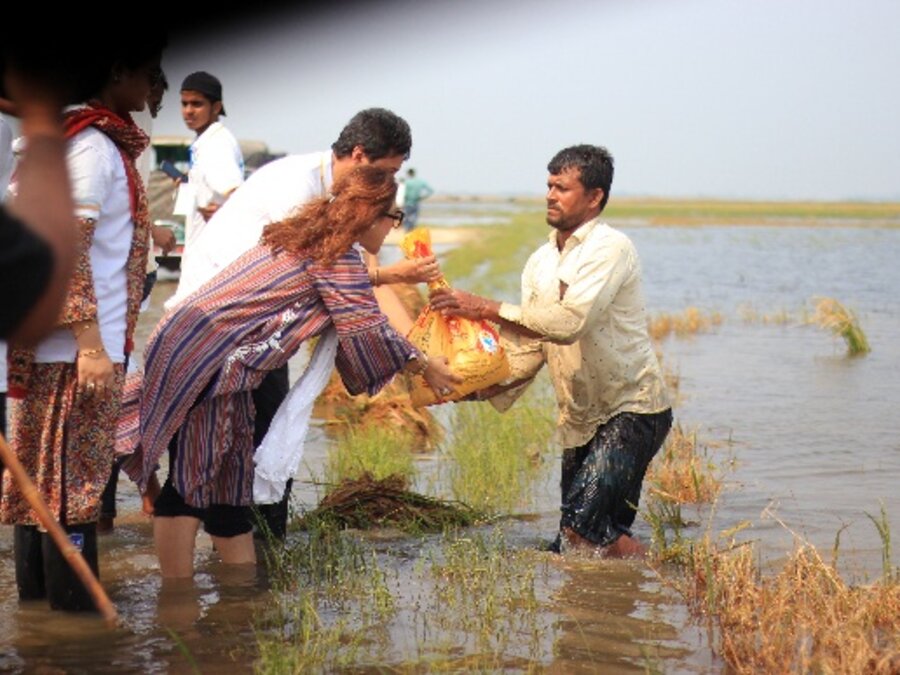
Relief distribution
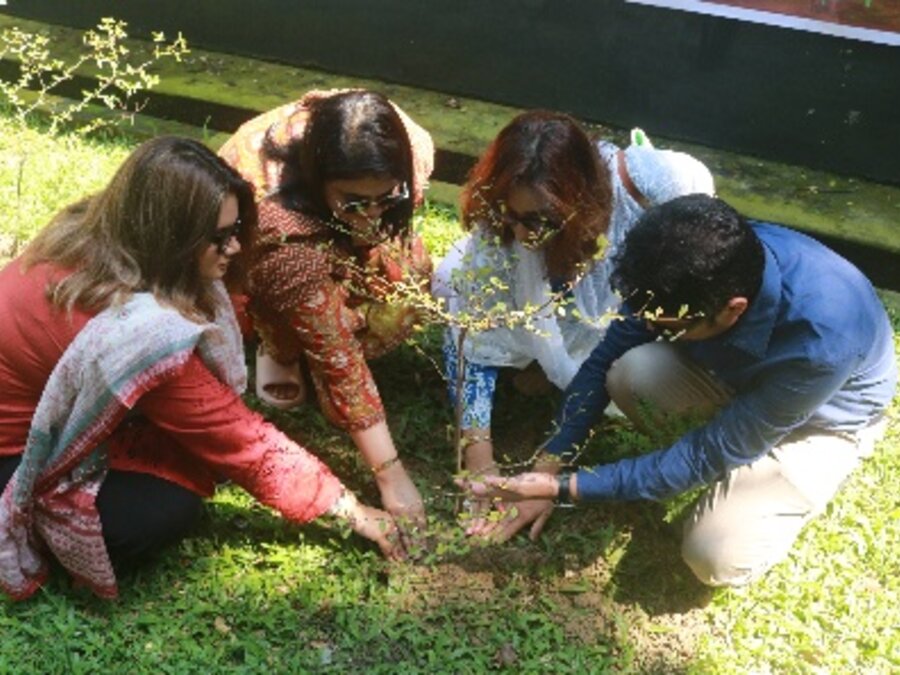
Tree plantation
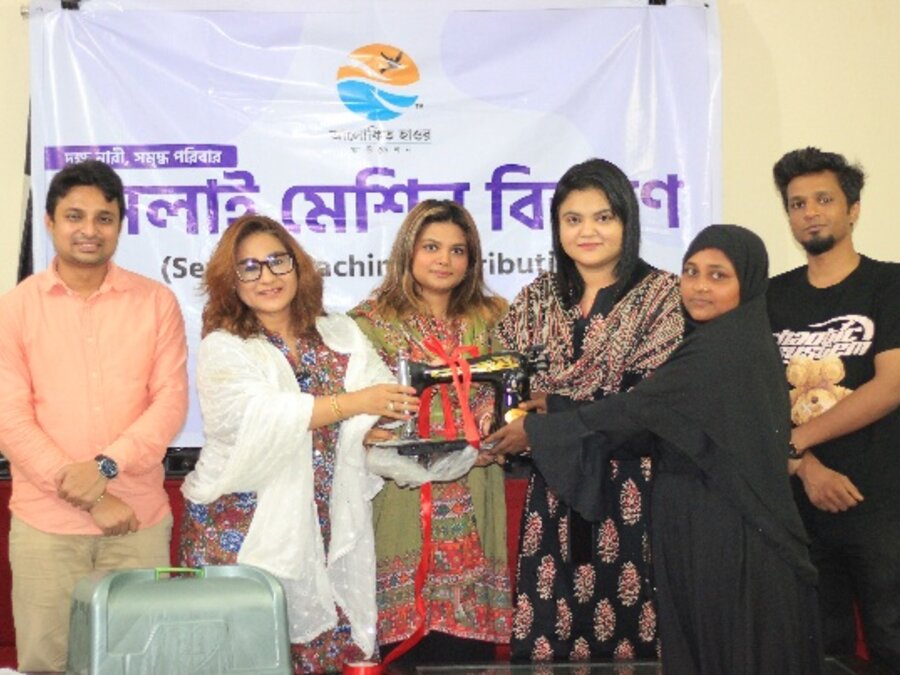
Sewing machine distribution
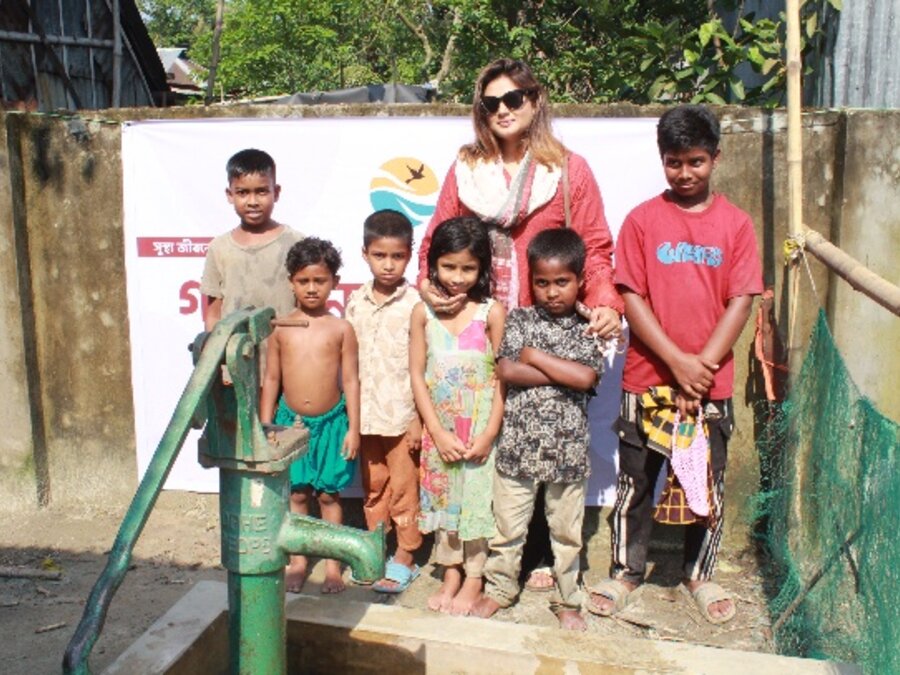
Deep tube well installation
Flagship Project
Alokito Haor Floating Hospital
A floating hospital designed for shallow water and remote wetland communities: an 18 metre, three-deck vessel with clinical, public and staff decks, solar power and dedicated medical stores. Rather than waiting for a patient to reach help, the hospital comes to the water’s edge of every village on its route, bringing healthcare to every haor community.
Services onboard
- General doctor consultation and minor treatment
- Maternal and child healthcare
- Vaccination, diabetes and blood pressure checkups
- Pharmacy and medicine distribution
- Health education at the water's edge
Technical specification
- Length overall 18.0 m | Beam 4.8 m | Draft 0.9 m | 3 decks
- 70 to 120 patients per day
- Medical staff of 10 to 12, with a crew of 4 to 5
- Total onboard capacity 25 to 30 persons
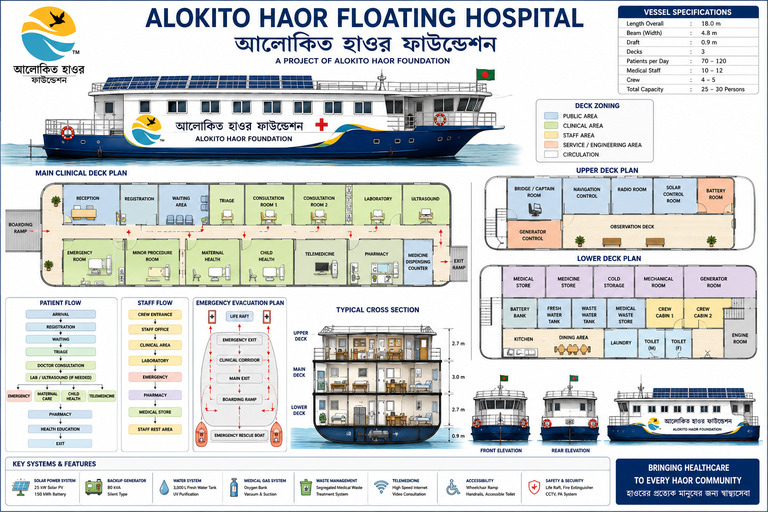
Alokito Haor Floating Hospital: deck plans and vessel specification.
Flagship Project
Floating Farms
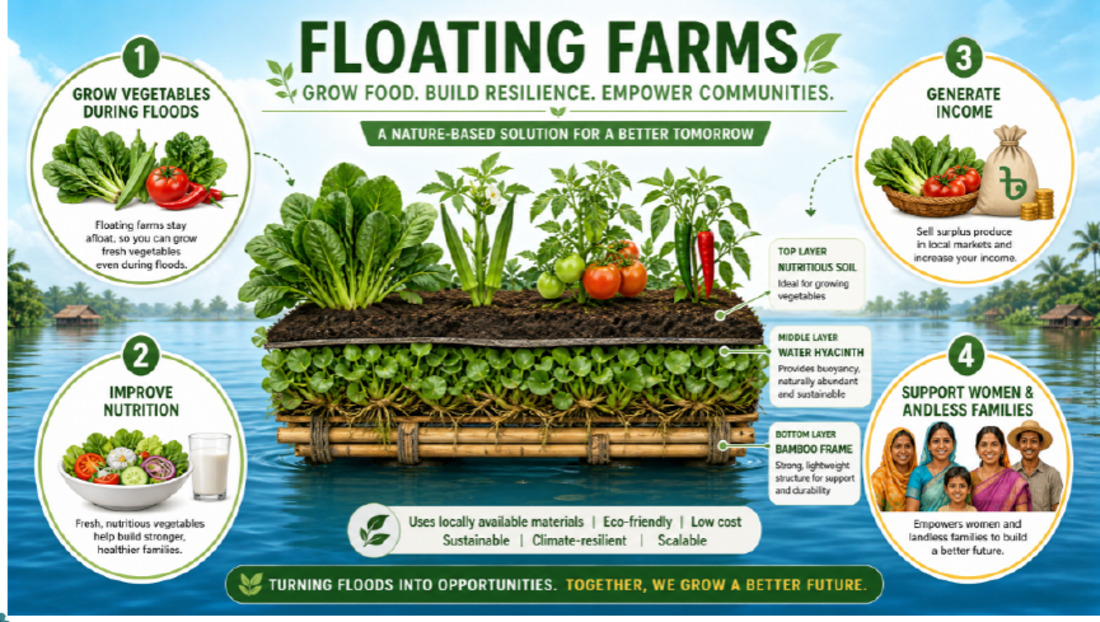
Floating farms use bamboo frames, water hyacinth and layered topsoil to create cultivation beds that turn flooded months into growing seasons. Practised in southern Bangladesh for over 300 years, the technique is now being adapted for the haor, where it grows vegetables during floods, improves nutrition, generates income, and gives landless families and women productive land of their own.
Flagship Project
Regional Medical Center
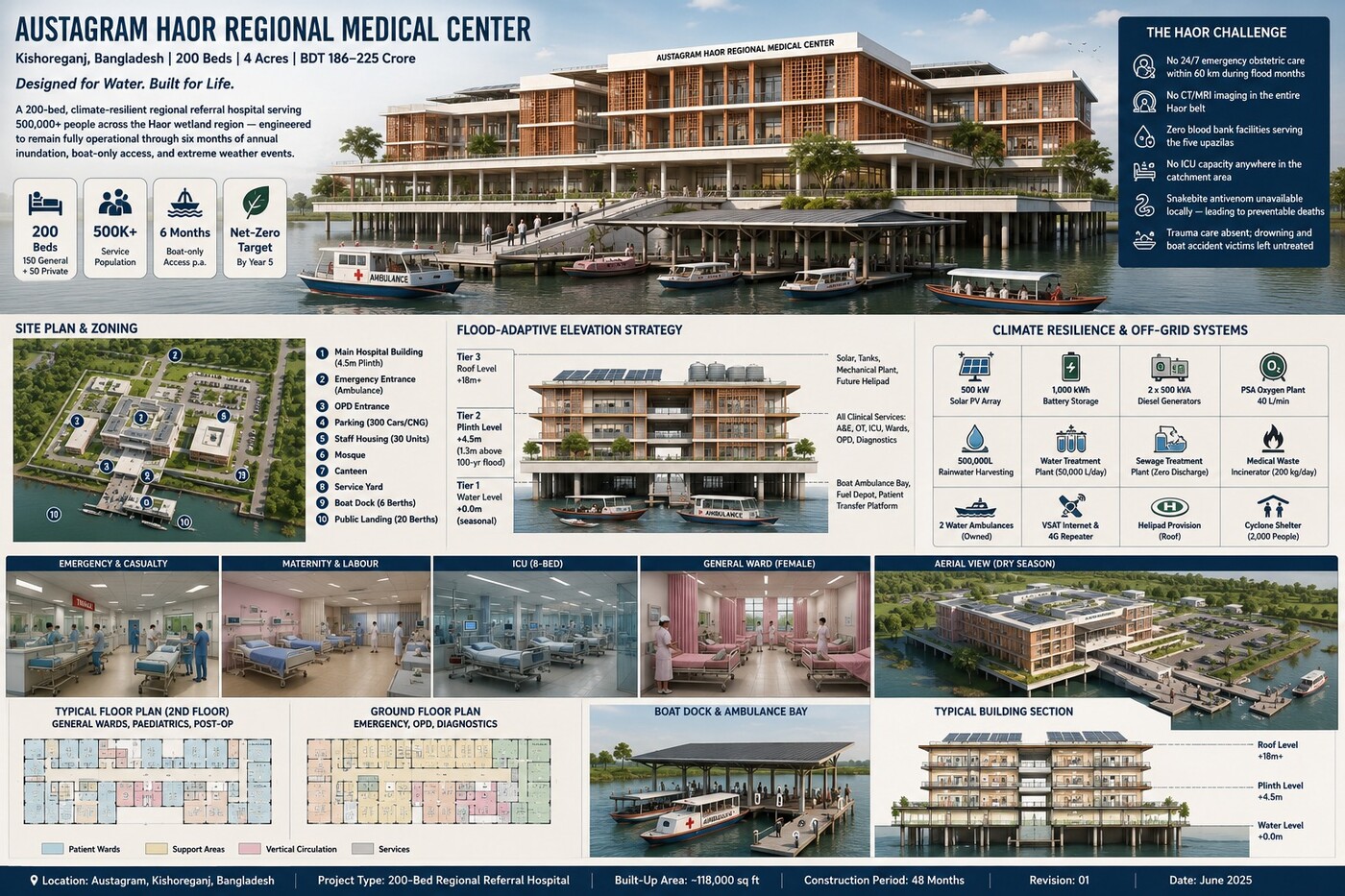
Alokito Haor Foundation Hospital is proposed as the primary referral centre for five upazilas of the haor wetland region: Austagram, Itna, Mithamoin, Nikli and surrounding communities. Research consistently identifies transport barriers, maternal emergencies and missing diagnostics as the leading preventable causes of death here. A flood-adapted regional hospital addresses the single biggest gap in the haor’s health system.
At a glance: 200 beds (150 general, 50 private) on a 4 acre flood-adapted campus | estimated cost BDT 186 to 225 crore | serving a population of 500,000+ | net-zero by design | approximately 48 months to build.
Future Plan
Where we go next
- Youth Leadership Summit for the next generation of local changemakers
- Farmers Innovation Summit for wetland-adapted techniques and technology
- Hospitals at rural areas beyond the flagship regional hospital
- Broad-based empowerment programming for the most vulnerable households
- Technical know-how and vocational training for women
- Community health awareness programmes before emergencies arise
- Scaled-up tree plantation to protect embankments and biodiversity
- South Asian Summit for Youth and Development
Be Part of It
Join us in building the haor’s future
Every project on this page needs donors, members, patrons and volunteers.